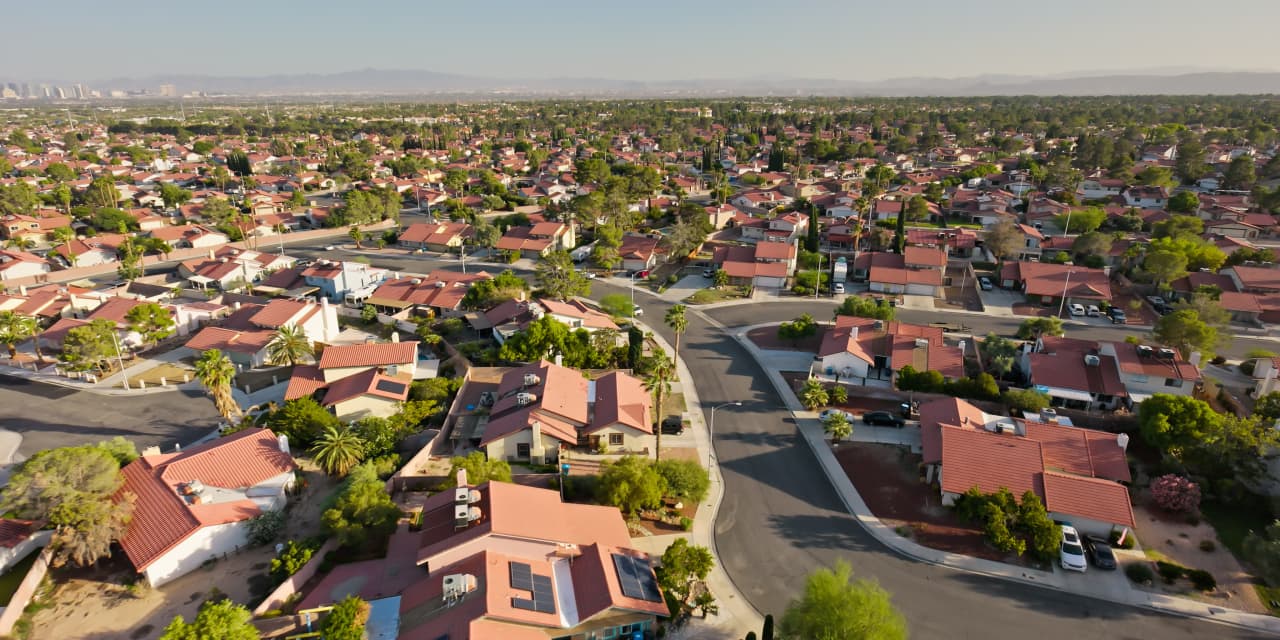
Last week, the Census Bureau pushed out new population estimates for counties and metropolitan areas. Here’s the executive summary for Florida: A lot of people died; a lot of people arrived. A familiar story, to be sure.
Florida, from July 2020 to July 2021, grew by 211,196 people. A number that’s all the more remarkable given that 255,553 Floridians died and only 210,305 new native Floridians were born over that time.
Subtract deaths from births and you get what demographers call “natural population change,” which for Florida was negative 45,248 over that time. The greatest natural population deficit of any state.
Likewise, Volusia County’s natural population deficit was 3,873. Flagler County’s was 828. And St. Johns County’s was 528. Yet none of these three counties lost overall population. All had healthy – some would say more than healthy – growth.

College degrees:Which Volusia, Flagler cities have highest percentage of adults with BAs?
Older, more diverse:What the 2020 Census tells us about the area
St. Johns County chalked up the title of fastest-growing county in Florida in percentage terms with a smoking 5.6% 12-month growth rate. Flagler County was not far behind in the third spot with 4.3% growth. Volusia County was in the middle of the pack at 29th with a 1.7% population increase.
Florida always has been a place that people move to rather than come from. As a result, all but nine Florida counties grew in population over those 12 months. The exceptions, however, were notable. Populous Miami-Dade, Broward, Pinellas and Orange counties all lost people over that time. This reflected a broader national pandemic trend of people leaving big cities. Census Bureau figures show New York, Los Angeles, Chicago and San Francisco combined lost more than 700,000 residents over that time.
Florida traditionally has a less-than-zero natural growth rate, something that reflects its status as a place where people retire after the kids are grown. Sumter County, home of the Villages retirement communities, had a natural growth rate of 2,253 below zero, yet still ranks 6th in percentage growth because more than 7,000 people moved there. Here in the home of Margaritaville, similar forces are at work with less golf cart traffic.
Growth, growth and more growth
It takes a lot of moving vans rolling down here to grow even a little bit. And we’re growing by more than a little bit. More than a quarter-million people arrived in Florida over this time and an estimated 13,533 of them ended up in Volusia County, 16,349 in St. Johns, and 5,881 in Flagler.
We’re busy finding places for them. New construction is all over the place. When I drive on the edge of town, I’m often amazed at all the cranes and plywood I see in places that I used to regard as in the middle of nowhere. Apartment complexes rise above the tops of the slash pines.
My unscientific rule-of-thumb on yearly population change is that anything below 1% spells trouble for the local economy. Florida’s economy isn’t built for a stable population. But at somewhere just under 3%, things will overheat as the place deals with crowded roads, inadequate roads, infrastructure backlogs, government services stretched thin and environmental destruction.
Residents who had arrived in earlier waves will show up at local government meetings with signs and matching T-shirts. People who will no doubt be disappointed to learn that money from this round of growth is needed to pay for the previous round of growth, or maybe one before that, because that’s the Florida way. A way that sometimes is compared unfavorably to Ponzi schemes and perpetual motion machine designs. When things are running smoothly, we’re only one or two growth cycles behind.
So ask not for whom the U-Haul rolls, it’s rolling to you.
Mark Lane is a News-Journal columnist. His email is mark.lane@news-jrnl.com.