How will San Francisco spend its $1 billion in homeless funds from Prop. C?
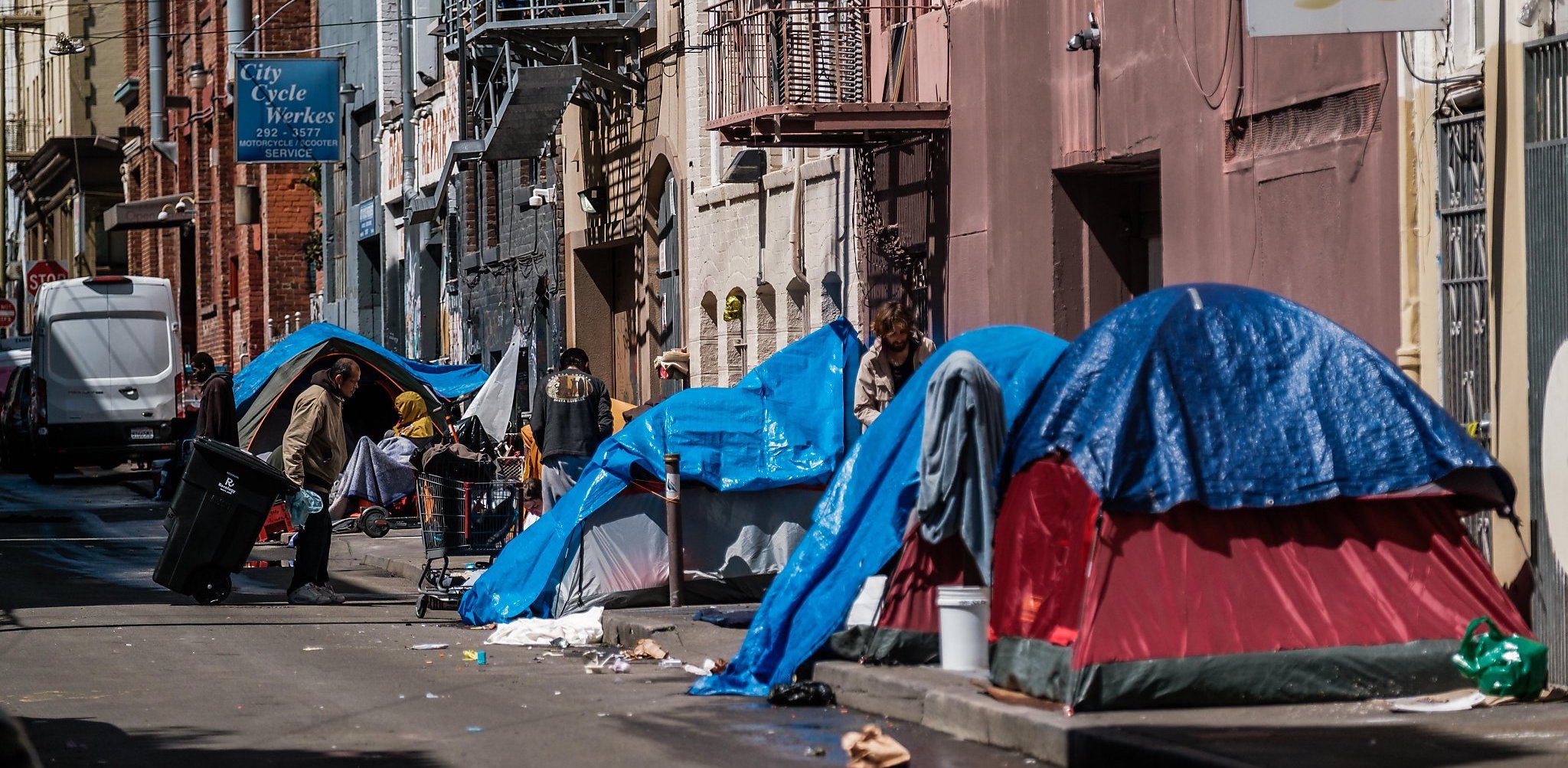
In 2018, San Francisco voters passed Proposition C, a measure that taxes the city’s largest corporations to fund services for the homeless. The campaign to pass the measure has been bumpy: it split tech companies and city leaders, including Salesforce CEO Marc Benioff, who argued San Francisco’s largest corporations could afford the tax hike, and Mayor London Breed, who suggested the city give theirs existing homelessness spending before you double the money. For years since it was passed, the controversial business tax has been embroiled in a lawsuit that has withheld millions of dollars from the city.
Now the funds have finally been released and it is an unprecedented sum: $ 800 million. Combined with one-time federal and local funds, San Francisco now has over $ 1 billion available for homeless services, increasing the city’s stake to make a noticeable difference in one of its most persistent problems.
The department believed to benefit most from this budgetary benefit is San Francisco’s Homelessness and Supportive Housing Department, under the new director Shireen McSpadden, who took over the reins last May. McSpadden joins Fifth & Mission podcast host Cecilia Lei to talk about how Prop C funds could make a difference to San Francisco, even as the city’s spending on homelessness has been booming in recent years.
Listen to the full interview on the podcast player above or read a transcript below of Cecilia Lei’s interview with Shireen McSpadden, director of the San Francisco Department of Homelessness and Supportive Housing, for clarity.
CECILIA LEI: This department that you now lead was founded in 2016, but has struggled in the past to make significant progress despite having expanded budgets beforehand. How can San Francisco taxpayers be sure the Department can handle this really large sum of Proposition C now, right?
SHIREEN MCSPADDEN: One of the things I’ve noticed in the few months I’ve been in the department is the incredible under-equipping of the department. It struggled a little at first and of course was hit by a lot of mandates to accommodate people and do some of the other things it has to do. And it’s really difficult because the budget has grown to be able to provide the infrastructure necessary to make all of these things happen.
One of the really exciting things about the mayor’s two-year budget, along with the props dollars – the Our City, Our Home dollars – is that we are now going to have funds to really build that infrastructure and really build the homelessness response system the way it is set up got to. I’ve seen staff who are very, very dedicated and very open and very compassionate about homelessness and really want to help people and get them into homes. And they have been struggling with hours and hours of overwork, you know, definitely [a] System problems where we don’t have people in the right place at the right time. We had fluctuations due to this workload problem. And we are now because we’ve seen 62% growth since 2019-20. And with our budget, we now have the opportunity to really make change within the department, which ultimately makes us more effective at getting people into apartments and really moving the needle in San Francisco.
CECILIA LEI: You just mentioned the workload as part of the improvements you want to make. What are some of the other important improvements you want to make in the department?
SHIREEN MCSPADDEN: One of the things I would like to do is improve the communication within our department, both internally and externally, and I would really love to work on the relationship we have with our community providers and the people we serve. to have . And I think some of the lack of communication is definitely an artifact of the fact that we’re understaffed, that we haven’t necessarily been able to invest in all the right places.
The other thing that I think is really crucial is that we are working on a strategic framework that was developed in 2016 and should guide us into the future. And we are now at the end of that process and ready to start a new strategic planning process. And I’m really looking forward to joining in with new resources at this point, with the opportunity to build up the infrastructure within the department and really get the community involved. And by community I don’t just mean our community providers, but people with lived experience. I also mean San Francisco residents. I mean, the different counties and the board of directors and the mayor’s office work together, along with some other key departments that really feed the homeless assistance system as well. So I see it as our city’s plan and not just the homeless department’s plan. We don’t own it. This is a citywide problem, a citywide challenge, and we must all work together to solve it.
CECILIA LEI: And what did we learn about what works in the fight against homelessness and how was this prioritized in Proposal C spending?
SHIREEN MCSPADDEN: One of the things that the Prop-C Committee did a really good job on is that it spent a lot of time looking at best practices around the country. You had some really important people on the committee who were very focused on that. They also spent a lot of time in social engagement. They gave us some really valuable information from parishioners all over the city, and based on that, made some important decisions. And I think it’s really revealing that the Prop-C Committee and the Mayor and our department got together and got a very high level of coordination on this funding.
CECILIA LEI: What are you most optimistic or enthusiastic about with regard to the priorities that are different than before?
SHIREEN MCSPADDEN: I think the biggest thing is simply the sheer amount of expansion that funding Our City, Our Home has allowed us to do. Our housing investments will create 2,500 or 3,000 new places for adults, families and young people in the transition phase over the next two years, which is enormous. I think we’re just going to see unprecedented funding that, in turn, will create housing for people.
And yes, we had that, but we haven’t had it at that level yet. We’ll also be able to spend a lot more on prevention, and that includes things like subsidies, behavioral health, and clinical services, what we call problem solving. I think this new funding allows us to bring together all the resources we need to help people. We are a Housing First city. We firmly believe that without housing, people cannot really improve their lives. It’s such a basic need. And yet we also know that they need other things in order to keep this apartment or to be able to get involved in the first place.
CECILIA LEI: It’s a $ 1 billion price tag and there is so much money involved and the department you run is also one of the few that has no oversight. What do you think of metrics for success and what will the progress be and how will this be communicated to the SF residents and taxpayers who care about this issue?
SHIREEN MCSPADDEN: I am impressed with what this department and what the city has done regarding homelessness, [but] Unfortunately, we don’t tell the story very well. And one of the things that we’re really working on right now is building our ability to tell our story and really keep track of the data the way we need to. One of the keys to doing this is really learning how to use metrics to show success. And we have a new system called the ONE system that really allows us to put data in one place. And we’re really working on building our planning and data reporting capabilities so we can get information out to the public as they need it.
We know people really want to see what changes on the street. And that’s not just what people or companies want to see. People who are homeless want to feel that, and people who are homeless in their own families or who are older or young people in transition, I mean, people need an apartment. They want to feel like the system is working for them. And we want to know that it is so.
CECILIA LEI: San Francisco is a leader in many ways. And I know other cities struggling with homelessness are looking to see how they’re spending the budget. This is a very big moment for San Francisco. Do you feel that way too?
SHIREEN MCSPADDEN: I do. I think this is a really good opportunity for San Francisco. I feel like people have laid all the building blocks to make it successful. And now we just have to do it. While the department struggled with insufficient resources, the public was struggling to see the change they would like to see. And our community providers are struggling with this department. I think everyone has good intentions and worked really hard to put these building blocks in place, and Our City, Our Home Dollars are a part of it, but they’re a big part of it, and they’re really going to help each other to reach the next level.